

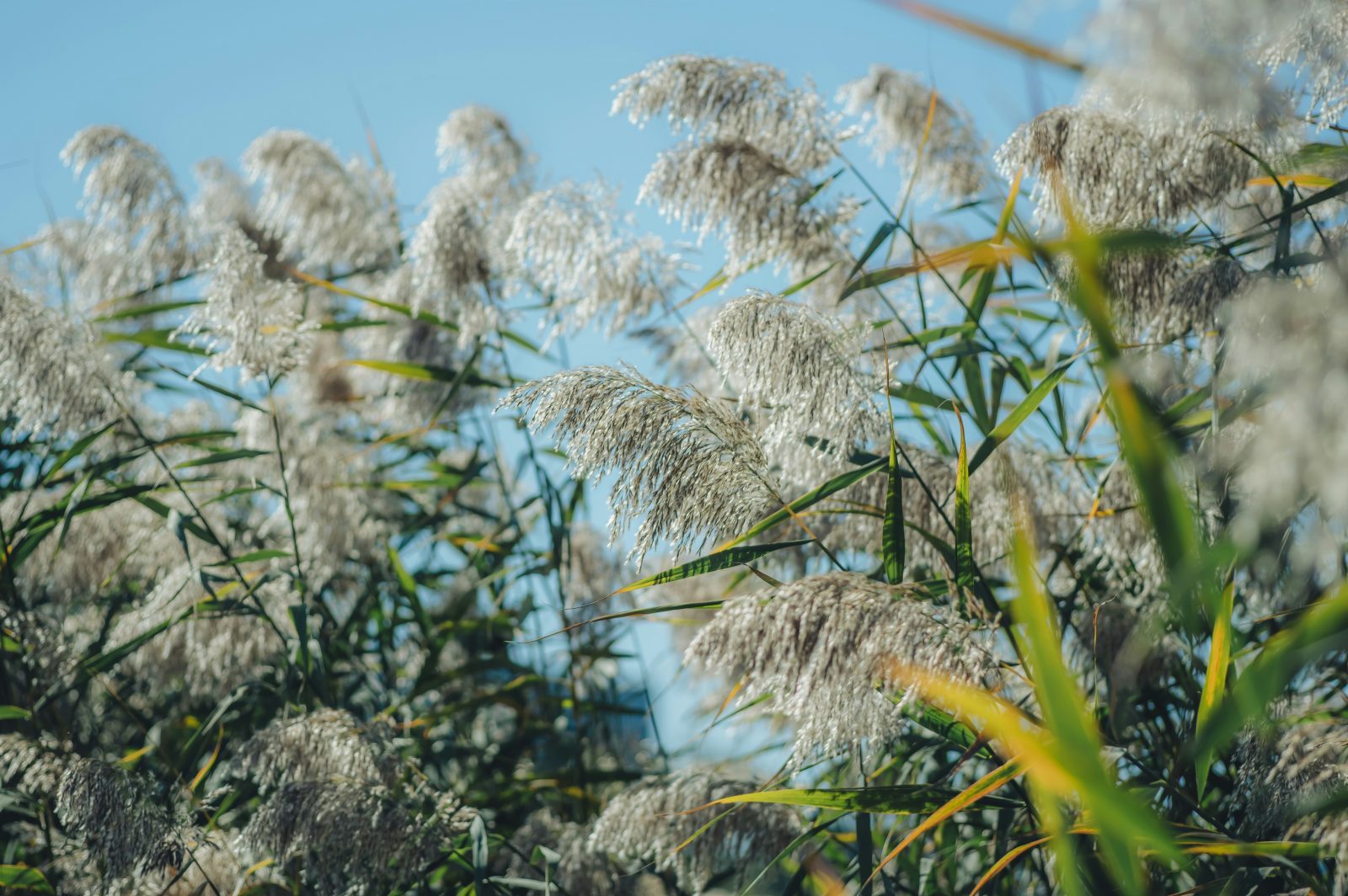
© Wu Yi, unsplash
MisCO2
Active and long-term binding of carbon dioxide (CO2) from the atmosphere in construction and insulation materials of miscanthus (Chinese silver grass).
MisCO2 makes the building sector more climate-friendly by using miscanthus to capture CO2 from the air and store carbon long-term in durable building materials. The project develops three prototypes (miscanthus–lime building material, loose-fill insulation, and binder-free fibreboards), tests their performance, and optimizes them for recyclability—supported by life-cycle assessments
Project management
Prof. Dr. Ralf Pude
University of Bonn
Projekt duration
01.02.2026 – 31.01.2029Project partner
Prof. Dr. Dr. Daniel Hermann, University of Bonn
Project goals
MisCO2 (“Miscanthus for buildings: renewable building materials as carbon sinks”) addresses the large climate footprint of the building sector—especially the embodied impacts from producing, transporting, and disposing of conventional construction materials. The project investigates how substituting emission-intensive materials with miscanthus-based construction and insulation products can both reduce emissions and create durable CO2 sinks.
The central research questions are: (i) how carbon uptake and biomass yields of miscanthus vary under different production conditions, (ii) how the resulting building materials can be technically optimized so they are high-performing and recyclable, and (iii) what their overall environmental impact (LCA) and economic viability/market acceptance (including willingness to pay) look like.
Accordingly, the project’s objectives are to develop and test three prototypes over multiple years—(1) a miscanthus–lime construction material, (2) loose-fill miscanthus insulation, and (3) binder-free miscanthus fibreboards—while improving insulation performance, fire resistance, and recyclability, supported by complementary sustainability and market analyses.
CDR method(s) considered: MisCO2 relies on biogenic CO2 removal through plant growth (miscanthus with up to ~30 t CO2/ha·yr in above-ground biomass, plus additional CO2 binding via humus formation) and on storing the captured carbon in long-lived, circular building products (“carbon in products”) for decades. Circular and cascading use (repeated reuse instead of incineration/landfilling) further strengthens long-term storage.