CDR Experience Tour Bavaria 2026: On-Site CO₂ Removal
How does CO₂ removal work in practice? On June 18–19, 2026, the CDR Experience Tour will visit projects in the Munich area and demonstrate how CDR is being implemented today – right on site.

© CDRTERRA
To limit climate change, reducing our greenhouse gas emissions has to be the top priority. However, to achieve greenhouse gas neutrality by 2045, we need additional methods that permanently remove carbon dioxide from the atmosphere. But is CDR really feasible, effective and sensible? The BMFTR research program CDRterra investigates the realistic potential of land-based CO₂ removal methods.
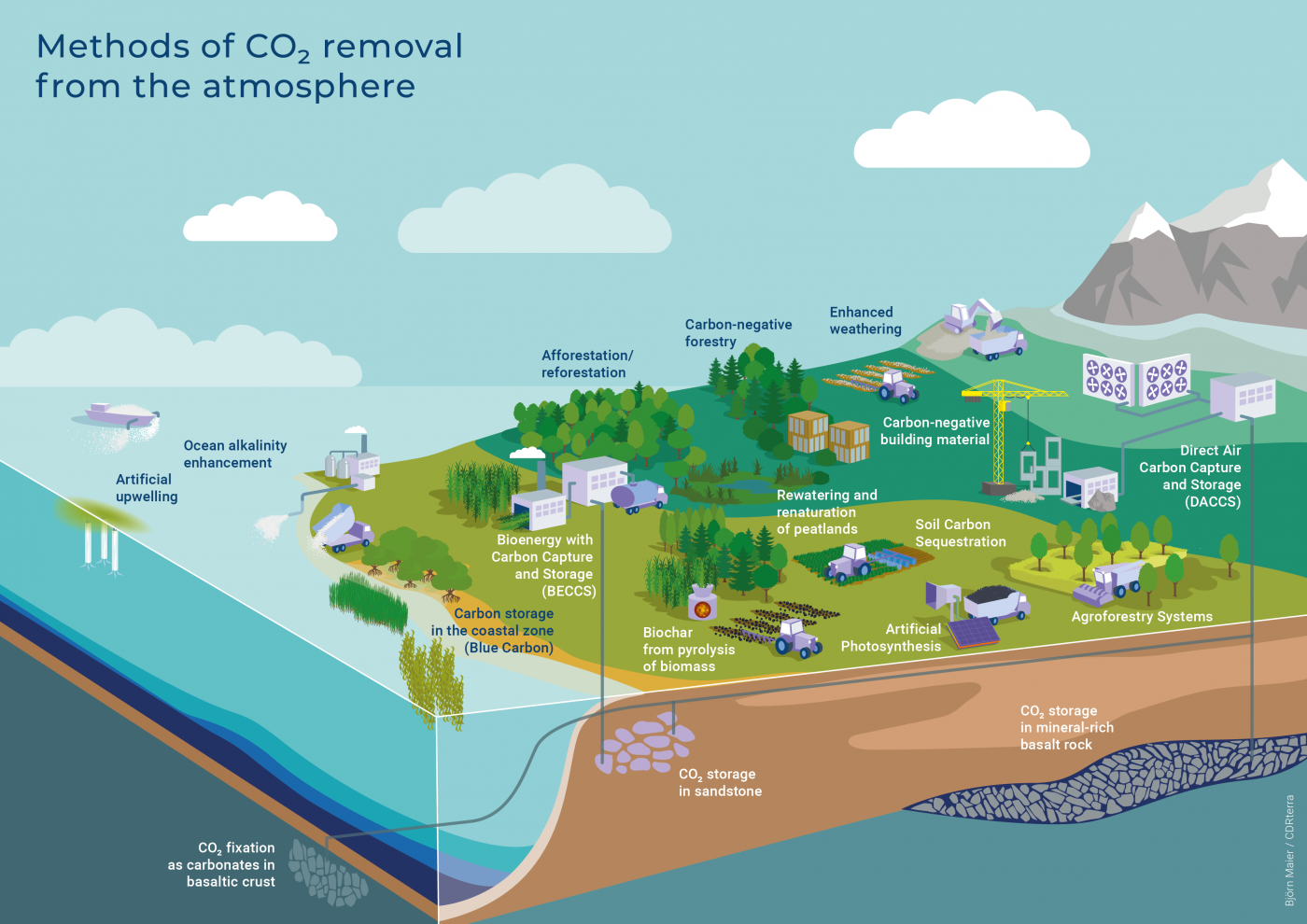
© CDR methods – Credit CDRterra, Björn Maier
© Christine Meyer
CDRterra has released a second teaching brochure for upper secondary schools. It complements existing material with experiments and additional topics, making carbon dioxide removal easier to teach in a scientifically sound way.
© GEOMAR
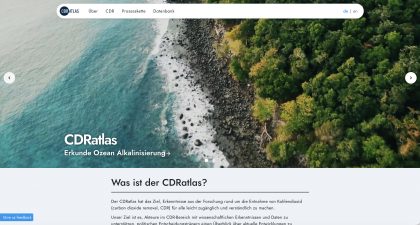
Our partner project CDRatlas is online: The new platform makes CO₂ removal methods transparent, comparable, and spatially classifiable—based on collaboration with CDRmare and CDRterra.
© Christine Meyer
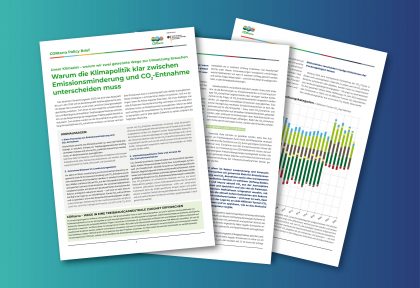
Germany will only achieve greenhouse gas neutrality if emission reduction and CO₂ removal are planned and managed separately in terms of policy. The new CDRterra Policy Brief shows why this separation is crucial for transparency, credibility, and effective climate action – and what course needs to be set now.
© frauwolter.de / CDRterra
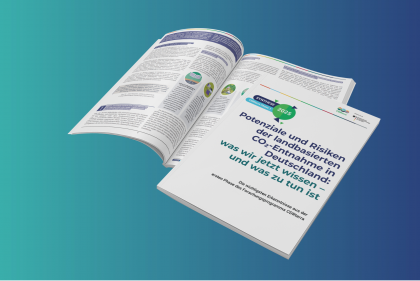
Germany will fail to meet its climate targets without CDR. The new fact sheet summarizes the key findings of CDRterra: which methods work, where the biggest challenges lie, and what policy decisions are now needed to enable the scale-up of land-based CDR.
In the second phase of CDRterra, 17 research consortia across Germany are working together to investigate land-based carbon dioxide removal (CDR) approaches. Their research explores how these approaches work, under which conditions they could be deployed, and what impacts they may have.
The synthesis project CDRSynTra2 brings together results from the consortia and connects them with the research mission CDRmare, which focuses on marine CDR approaches. Its goal is to enable a comparable assessment of the potentials, risks and requirements of different approaches.

© CDRterra
How can Germany achieve greenhouse gas neutrality by 2045? And what role could removing CO₂ from the atmosphere play in this effort? The CDRterra research programme examines political, ecological, technical, economic and societal questions related to carbon dioxide removal (CDR). Across two research phases, land-based CDR approaches are studied in a comparative way to better understand their potentials, risks and prerequisites for possible climate mitigation pathways.

© pixabay / jplenio
CDRterra connects research across Germany on land-based carbon dioxide removal.
For programme information, researcher contacts or interview requests, please get in touch.
For press inquiries
Karin Adolph
Public Relations Managerin
karin.adolph@cdrterra.com
For any other requests
Dr. Michael Miller
Programmmanager
michael.miller@cdrterra.com

© Julia Pongratz